Buying a gift when you barely know the person

Buying for someone you know well is a question of attention. Buying for someone you barely know is a question of risk management: the goal is not to delight, it is to be welcome and not awkward. Those are different targets and the second one is much easier to hit deliberately.
Rule out the categories that carry meaning
Perfume, clothing, anything sized, anything that comments on appearance and anything intimate are all out. They require knowledge you do not have and they carry implications you may not intend. This removes most of the difficulty immediately.
Also out: anything that implies a shared history you do not have, and anything jokey. Humour requires calibration and you do not have the data to calibrate with.
What is left is genuinely large
Consumables, desk objects, drinkware, candles, good stationery, small kitchen pieces and gift packaging around any of them. None of these presume anything, all of them get used, and every one of them is easy to receive gracefully.
The category to lean on hardest is consumables. Something that gets used up leaves no obligation to display it, which is exactly the right relationship for a gift between people who do not know each other well.
Quality signals effort better than size does
A small well-made object reads as considered. A large mediocre one reads as a budget being spent. Since you cannot signal effort through personal knowledge, signal it through the object itself.
This usually means one thing rather than several. A single good candle beats a basket of unrelated items when the relationship is new.
Neutral does not mean characterless
Neutral means it will not clash with a life you have not seen. It does not mean beige. A strongly designed object in a plain colourway is neutral in the way that matters and still looks like a choice was made.
The thing to avoid is a decorative object with a strong style, not an object with a strong quality.
Price bands and reading the room
Spending noticeably more than the situation calls for is its own kind of awkward, particularly with a colleague or a new in-law. If there is a stated limit for an exchange, treat it as a target rather than a ceiling to test.
Where there is no stated limit, the safe read is the middle of what similar people would spend. Erring slightly under with something well chosen is safer than erring over.
The card does more work than the gift
With little shared history, the note is what makes the gift personal, and two specific sentences beat a paragraph of generalities. Reference something actual — a project, a conversation, the occasion itself.
This is also where you can be warm without overstepping, which is much harder to do through an object.
Dietary and household unknowns
Food and drink are consumable and therefore attractive, and they are also where the unknowns bite: allergies, alcohol, dietary rules, pets in the house. If you do not know, choose a non-food consumable instead.
Candles are the usual substitute and they carry their own small risk in scent-sensitive households. A plain unscented piece or a lantern sidesteps both.
Presentation carries disproportionate weight
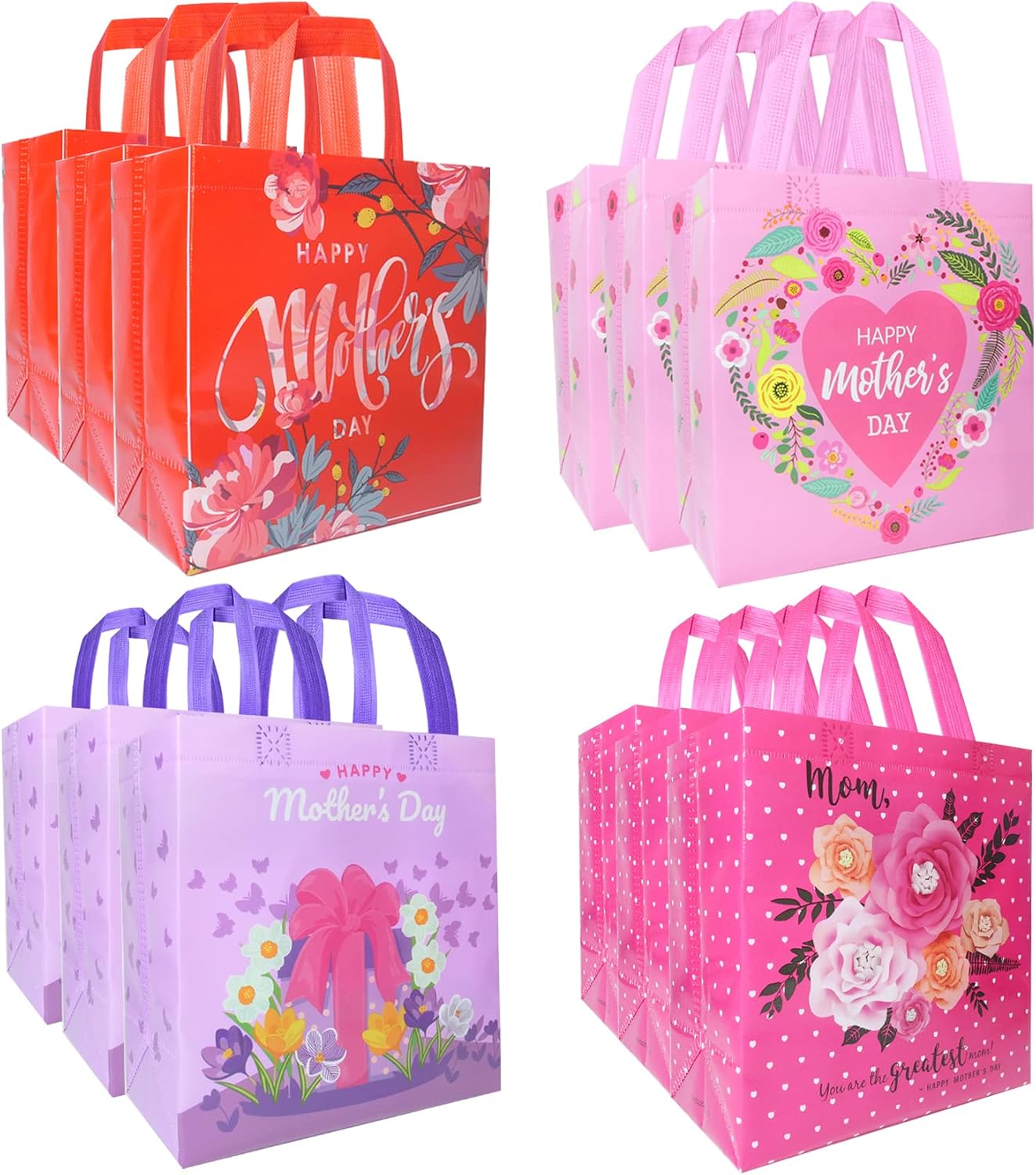
When the object itself cannot be personal, the wrapping is where care becomes visible. A modest gift properly bagged with tissue and a written card reads as thoughtful; the same gift handed over in its shipping box does not.
This is the cheapest available improvement in the whole exercise, and it is the one most often skipped.
Group exchanges specifically
For a drawn-name exchange, assume the gift will be opened in front of everyone. That rules out anything that needs explaining and anything that could be misread by an audience, which is a stricter test than one-to-one giving.
Something useful and slightly nicer than expected is the winning move in that format, every time. The gifts that land badly in a group setting are almost always the ones that were trying hardest to be memorable.
Timing, and why it changes the choice
Leaving it late narrows the field to whatever can arrive in time, which is how people end up with a gift chosen by a delivery window rather than by judgement. Handling here takes one business day and standard delivery three to six, so a week ahead removes the pressure entirely.
It also matters because the safest categories are the ones that sell out around fixed occasions. Ordering early is not only about arrival — it is about still having the full range to choose from when you make the decision.
What to do if you get it wrong
Sometimes a gift misses, and with a new relationship that is a small thing rather than a disaster. The recipient will remember that you brought something and wrapped it, far more than they will remember what it was.
Practically: keep the order confirmation. Unused items in original packaging can come back within our return window, and if the person quietly mentions it is not for them, that is a solvable problem rather than an embarrassing one.
Safe-bet gifts in stock
See everything in Gift Supplies.
The default that works
Rule out anything sized, scented-personal or jokey. Choose one well-made consumable or desk object rather than several small things. Spend the last of the budget on presentation, and write two specific sentences on the card.
Questions about anything above? Our FAQ covers the usual ones, the Shipping Policy has the delivery detail, and you can contact us directly — we answer within one business day.